3D Product Rendering and Animation: The Smarter Way to Launch Premium Products Online
For a D2C brand, product perception is not built after the customer buys. It is built before they click, before they scroll, and before they trust the product enough to consider it.
That perception comes from visuals.
The product image on the website.
The animation in the launch ad.
The close-up detail shot on the PDP.
The premium campaign visual that makes the product feel more expensive than its actual price.
This is where 3D product rendering and 3D product animation have become a serious advantage for ecommerce brands.
A traditional photoshoot can still be useful. But for many modern product launches, it is no longer the fastest, most flexible, or most scalable way to create content. When a brand needs premium visuals, multiple angles, product variants, clean ecommerce assets, ad creatives, and launch videos, 3D often gives more control with less production friction.
What is 3D product rendering?
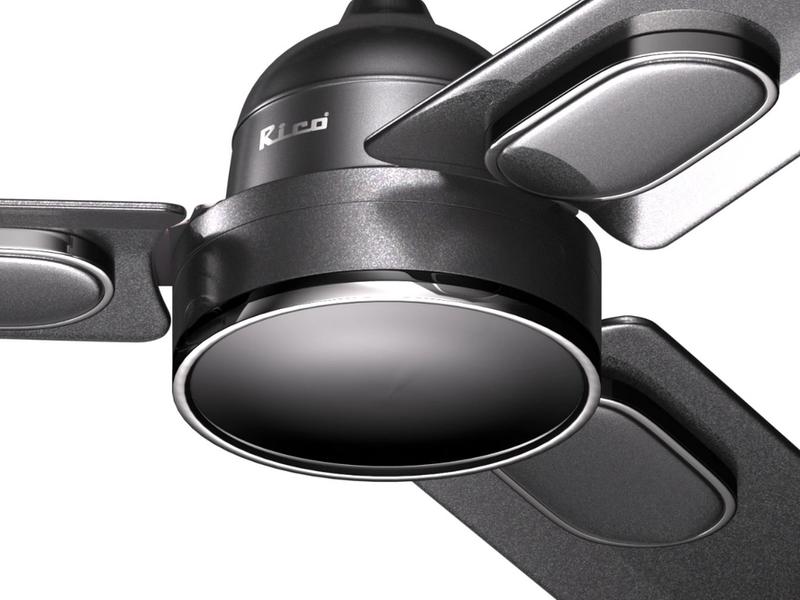
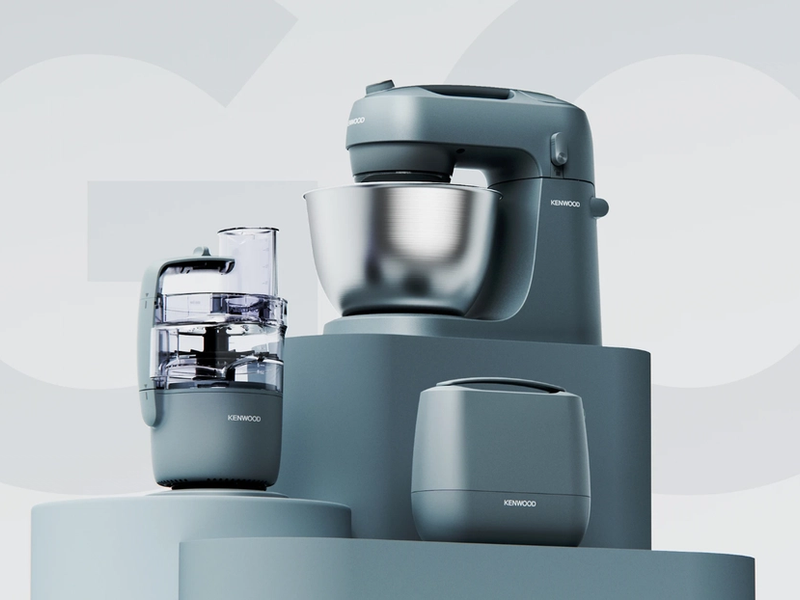
3D product rendering is the process of creating photorealistic images of a product using a digital 3D model instead of taking a photograph of the physical product.
The product is recreated digitally with accurate shape, material, lighting, texture, and packaging details. Once the 3D model is ready, the product can be placed in any environment, shown from any angle, lit in any style, and exported as high-resolution visuals for websites, ads, marketplaces, social media, and launch campaigns.
For example, a skincare bottle can be rendered on a clean white ecommerce background, inside a luxury bathroom scene, surrounded by ingredients, floating in a CGI animation, or shown in a macro close-up where the material and label look premium.
The product does not need to be physically shot again for every new angle or use case.
That is the core advantage.
What is 3D product animation?
3D product animation turns the same digital product into motion.
Instead of showing only static images, the product can rotate, open, assemble, explode into layers, reveal ingredients, demonstrate features, or move through a fully designed CGI scene.
This is useful for ads, product launch films, website hero sections, Amazon videos, Meta ads, YouTube pre-rolls, landing pages, and investor or retail presentations.
A good 3D product animation does not just make the product move. It explains value faster.
It can show what the product does, how it is built, why it feels premium, and why the customer should care.
For products where the benefit is difficult to show in a normal photo, animation can do the selling work much better.
Why D2C brands are using 3D instead of only photoshoots
Photoshoots depend on physical production.
You need the product sample, photographer, studio, props, lighting, location, stylists, models, shipping, scheduling, retouching, and reshoots if something goes wrong. If packaging changes later, the content may become outdated.
3D gives the brand more control.
Once the product is built digitally, the same asset can be reused across multiple campaigns. A brand can create ecommerce images, ad creatives, product explainers, launch videos, seasonal visuals, bundle shots, variant images, and premium campaign content from the same 3D foundation.
This matters because D2C brands do not need one perfect visual anymore. They need a creative system.
They need enough high-quality assets to test ads, improve the product page, launch new offers, update bundles, and keep the brand looking premium across every customer touchpoint.
3D makes that system easier to scale.
Where 3D product rendering works best
3D product rendering is especially useful when the product needs to look clean, premium, technical, or highly controlled.
It works well for:
Beauty and skincare products
Supplements and wellness products
Consumer electronics
Home appliances
Packaging and bottles
Luxury accessories
Footwear and lifestyle products
Furniture and home decor
Food packaging
Fitness and health products
Product bundles and kits
The stronger the need for polished presentation, the more valuable 3D becomes.
A product photo can show what exists.
A 3D render can show the product exactly how the brand wants it to be perceived.
That difference matters when a brand is trying to sell at a premium price.
What 3D product visuals can be used for
A strong 3D product rendering and animation system can support almost every major marketing asset a D2C brand needs.
For ecommerce, it can create main product images, white-background shots, variant images, texture close-ups, bundle visuals, comparison images, and feature breakdowns.
For paid ads, it can create thumb-stopping Meta creatives, CGI hooks, product motion videos, feature-led animations, and premium launch films.
For websites, it can create hero visuals, product page sections, scroll animations, landing page assets, and campaign banners.
For marketplaces, it can create clean listing images, infographics, feature explainers, and product demonstration visuals.
For launches, it can create teaser content, reveal videos, ingredient visuals, packaging close-ups, and full product films.
This is why 3D should not be seen as only a design service. For serious brands, it becomes part of the growth system.
The biggest advantage: control
The real power of 3D product rendering is control.
You can control the lighting.
You can control the angle.
You can control the background.
You can control the reflections.
You can control the material.
You can control the product environment.
You can control how premium the product feels.
In a photoshoot, you fight reality. In 3D, you build the reality you want.
This is useful for brands that care about perception. If the product needs to look luxury, clean, futuristic, clinical, bold, natural, or high-performance, the visual world can be built around that exact positioning.
The product is no longer limited by what can be physically arranged in one shoot day.
When a photoshoot is still better
3D is powerful, but it does not replace every shoot.
If the product needs real human emotion, lifestyle authenticity, creator content, testimonials, founder-led storytelling, or natural UGC, a shoot may be better.
The best brands often use both.
They use 3D for premium product control and product explanation.
They use shoots for people, lifestyle, social proof, and emotion.
For example, a skincare brand might use 3D renders for website product images and CGI ads, then use UGC creators for application videos and testimonials.
A supplement brand might use 3D for ingredient animations and product page visuals, then use real customers or athletes for performance-led content.
The smart move is not choosing 3D or shoots blindly. The smart move is knowing which format gives the most leverage for each part of the funnel.
What makes a good 3D product render?
A good product render should not look like a cheap mockup.
It should have accurate proportions, realistic materials, proper label detail, strong lighting, natural shadows, clean reflections, and enough imperfection to feel believable.
For premium brands, the details matter.
Plastic should not look like flat grey material.
Glass should have depth and refraction.
Metal should reflect properly.
Labels should be sharp.
Textures should feel real.
The product should sit naturally inside the scene.
The goal is not just to create a pretty image. The goal is to make the customer believe the product is worth more.
That is what premium rendering does.
What makes a good 3D product animation?
A good 3D product animation should not only look expensive. It should make the product easier to understand.
The motion should have a clear purpose.
A rotation can show form.
An exploded view can show construction.
A liquid simulation can show texture.
A macro shot can show material quality.
An ingredient animation can show the formula.
A packaging reveal can build launch excitement.
A CGI scene can create brand memory.
The best product animations work because they combine beauty with clarity.
They make the product feel desirable, but they also help the customer understand why it matters.
How 3D supports performance marketing
Most brands think of 3D as a brand asset. That is only half the value.
3D can also support performance marketing.
Paid ads need constant creative testing. The problem is that shoots are slow, and generic graphic design often does not create enough perceived value. 3D gives brands a way to create high-quality product-led creatives without shooting everything from scratch.
A single product model can become multiple ad angles:
Premium reveal ad
Ingredient benefit ad
Problem-solution ad
Feature breakdown ad
Bundle offer ad
Comparison ad
Launch teaser ad
Seasonal campaign ad
Website hero video
Marketplace explainer
This makes creative production more scalable.
For brands running Meta ads, the quality of the creative often decides whether the campaign gets attention or gets ignored. Strong 3D visuals can help the product stand out in crowded feeds, especially when every competitor is using similar lifestyle images and basic UGC edits.
How to decide if your brand needs 3D product rendering
A brand should consider 3D product rendering if:
The product needs to look more premium online.
The physical shoot process is slow or expensive.
The product has many variants or bundles.
The packaging changes often.
The brand needs launch visuals before final samples are ready.
The product benefit is hard to explain with photos.
The website needs stronger product imagery.
The ad account needs more product-led creatives.
The brand wants CGI videos or premium product animations.
If any of these are true, 3D is not just a visual upgrade. It is an operational advantage.
What to prepare before hiring a 3D rendering studio
To get the best result from a 3D product rendering studio, prepare the right inputs.
The studio will usually need product photos, dimensions, packaging files, label artwork, material references, brand guidelines, and examples of the visual style you want.
If you already have CAD files or 3D files, that can help. If not, the product can often be modeled from reference images and measurements.
You should also be clear about the final use.
A render for Amazon may need a different approach than a render for a luxury website hero section. A Meta ad animation may need faster hooks than a brand film. A Shopify product page may need clean clarity more than cinematic drama.
The better the brief, the better the output.
Final thought: premium products need premium visual systems
Online, customers cannot touch the product.
They judge through visuals.
If the product looks average, the brand feels average. If the product looks premium, controlled, sharp, and desirable, the customer gives it more attention before reading a single line of copy.
That is why 3D product rendering and animation have become powerful tools for modern D2C brands.
They help brands launch faster, look more premium, explain products better, test more creatives, and build a stronger visual system without depending on a new shoot every time.
For brands trying to grow online, this is the real advantage.
Not just better images.
Better control over perception.

About the Author
Skitbit Team
Global 3D Product Rendering & Performance Creative Studio
Skitbit creates premium 3D product renders, product animations, CGI visuals, launch content, and performance creatives for D2C and ecommerce brands.