3D Product Rendering and Animation: The Smarter Way to Launch Premium Products Online
If you are building a D2C brand, ecommerce store, or product launch campaign, one question comes up very quickly: how much does 3D product rendering actually cost? — Normal
The honest answer is that 3D product rendering cost in India depends on the product, the quality level, the number of views, the complexity of the material, and how the final visuals will be used. — Normal
Typical 3D product rendering cost in India
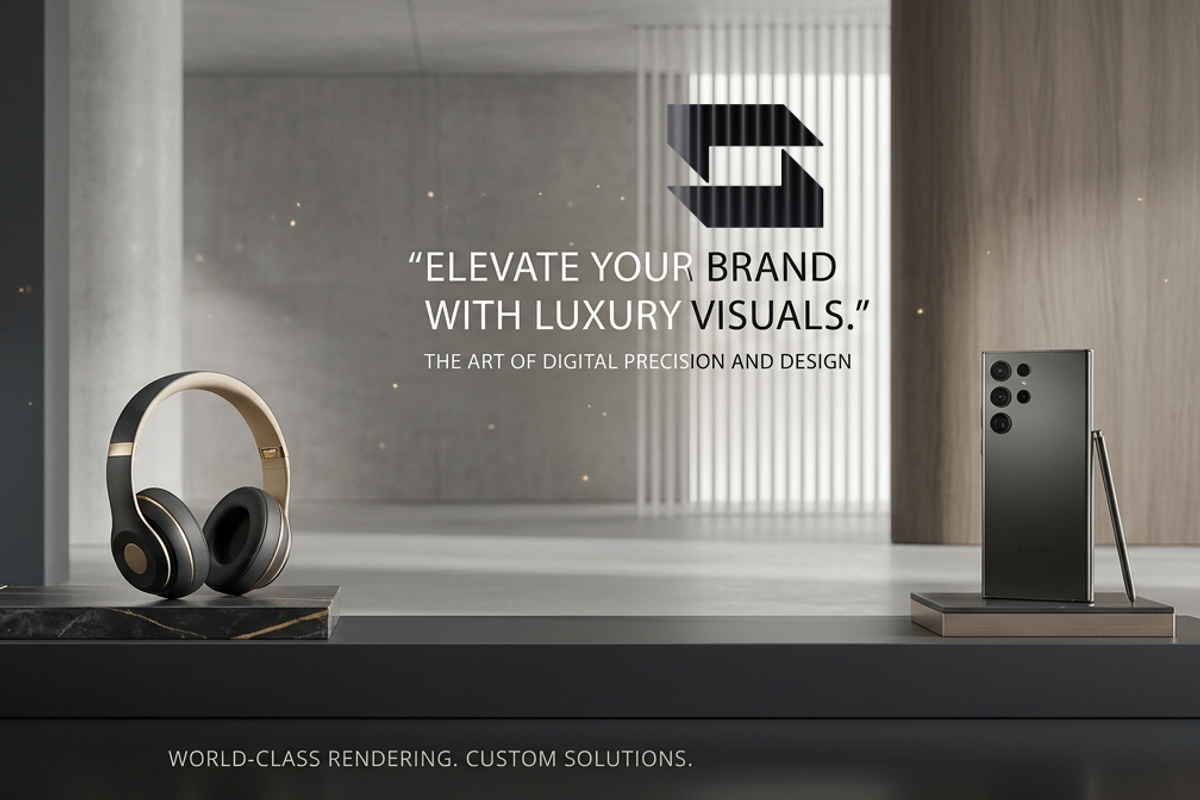
In India, basic 3D product renders usually start from a few thousand rupees per image when the product is simple and the visual style is clean.
For premium ecommerce and D2C brands, the cost is usually higher because the output needs to look polished, realistic, and usable across ads, websites, marketplaces, and launch campaigns.
A simple product render may cost less if the product shape is basic, the packaging is flat, the lighting is simple, and the brand only needs one or two standard angles.
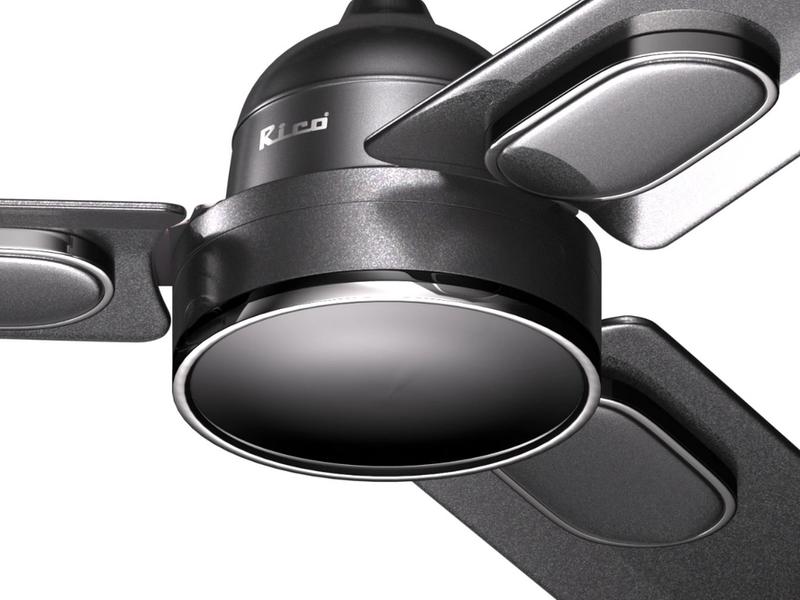
A premium render costs more when the product has glass, metal, liquid, fabric, complex plastic, detailed packaging, transparent materials, reflections, or a lifestyle environment.
The more the image needs to sell perception, the more work goes into it.
That is why serious brands should not choose a 3D rendering studio only by asking for the cheapest price.
Cheap renders can make a good product look fake. Premium renders can make the same product feel more expensive, more trustworthy, and more desirable.
What affects the price of a 3D product render?
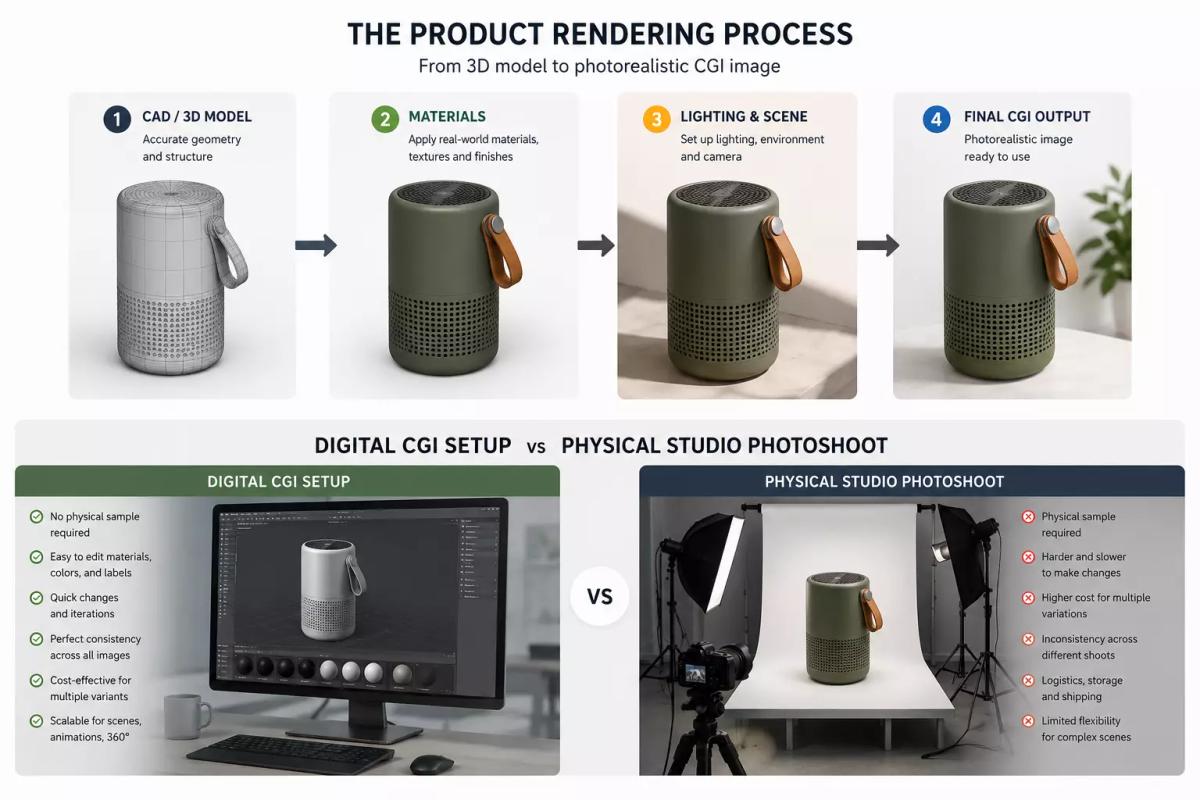
The biggest pricing factor is product complexity.
Product complexity
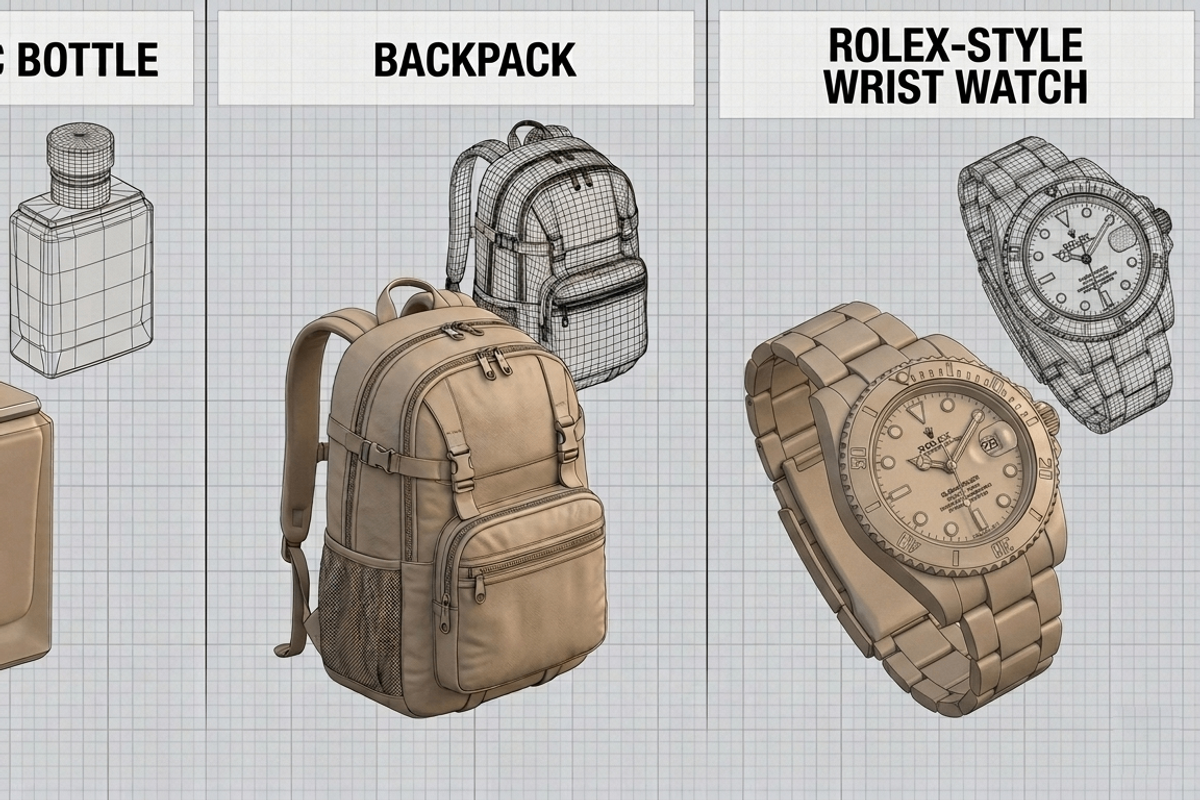
A simple box, bottle, pouch, or jar is usually faster to create than a product with mechanical parts, soft materials, fabric texture, inner components, or irregular shapes.
Cheap visuals create expensive problems.
Material \ Texture Quality
The second factor is material quality.
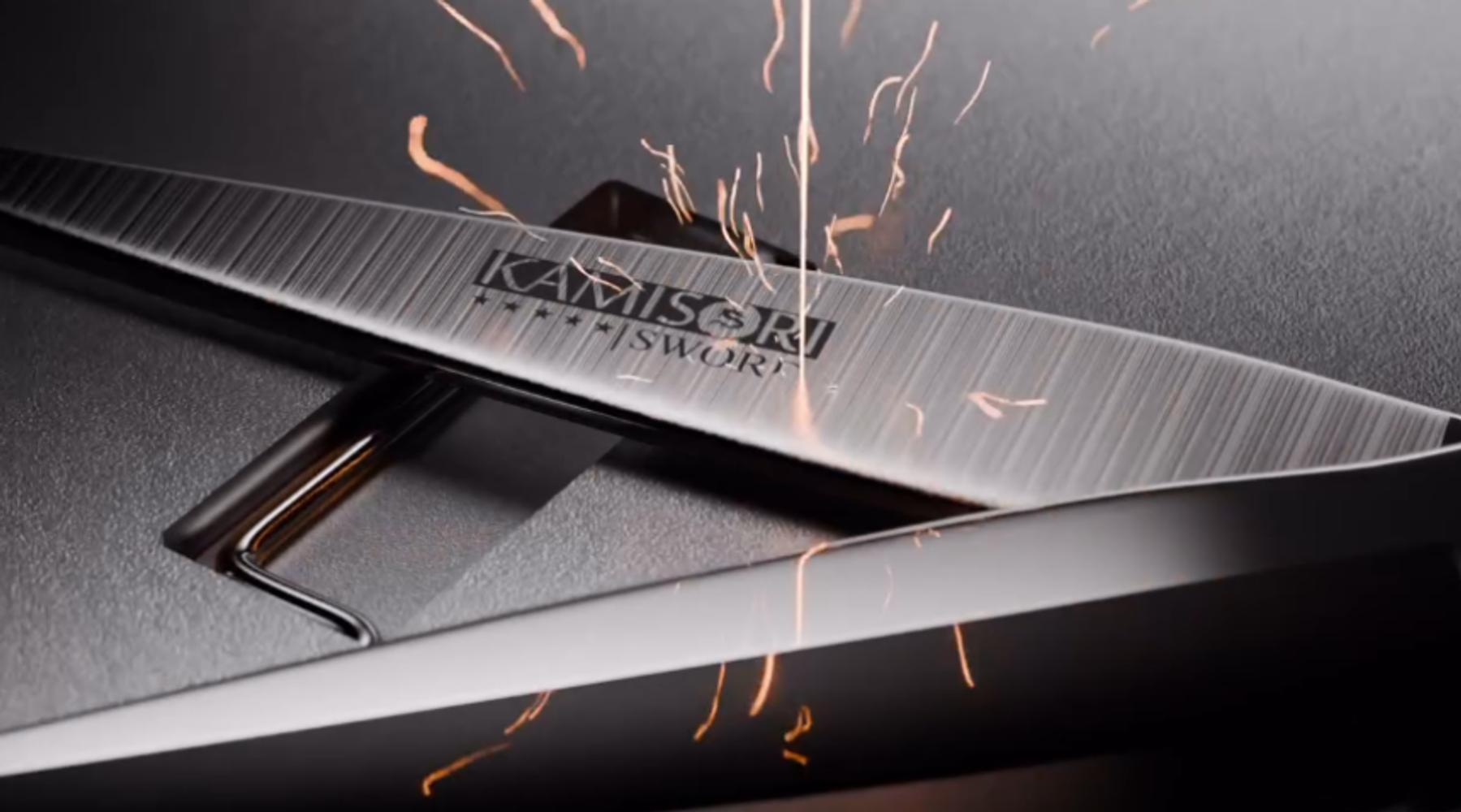
Glass, chrome, brushed metal, transparent plastic, leather, fabric, liquid, and glossy packaging all require more careful lighting and material setup.
No. of Final Images
The third factor is the number of final images.
If the 3D model is already created, additional angles may cost less than the first render because the core asset already exists.
Background / Environment
A white-background ecommerce image is simpler than a luxury bathroom scene, ingredient composition, studio campaign setup, or abstract CGI environment.
Usage
A render for a Shopify product page is different from a hero image for a launch campaign, a Meta ad creative, an Amazon listing image, or a billboard-style CGI visual.
Why the first render usually costs more
Many brands assume every render is priced as one image. That is not how 3D production works.
The first render usually includes the hidden foundation work: building or cleaning the 3D model, setting up materials and lighting, defining camera angles, and establishing the overall visual direction for the project.
Once those elements are in place, additional renders become much more efficient because the core scene is already built.
From there, creating new views, adjusting colors or finishes, testing different environments, or generating marketing assets often requires only incremental changes rather than starting from scratch.
This is why the cost of the initial render is typically higher than subsequent images produced from the same project.
Once the product is built properly in 3D, it can be used again for ecommerce images, product bundles, seasonal campaigns, performance ads, website visuals, and future product launches.
This is also why brands should think of 3D rendering as an asset system, not a one-time image purchase.
3D rendering vs photoshoot cost
A photoshoot can be useful, especially when you need real people, lifestyle emotion, creator content, or human proof.
But photoshoots also come with friction.
You need the physical product, photographer, studio, props, lighting, location, styling, logistics, retouching, and sometimes reshoots.
If the product packaging changes later, the old images may become outdated.
If the brand needs a new angle, new bundle, new color, or new environment, another shoot may be required.
3D rendering gives more control.
The product can be shown from any angle, placed in any environment, and updated without arranging a full shoot again.
For many ecommerce brands, the best answer is not 3D or photoshoot.
The best answer is both.
Use 3D for premium product control, ecommerce visuals, ingredient shots, packaging renders, product explainers, and CGI ads.
Use photoshoots for people, lifestyle content, UGC, testimonials, and social proof.
When both are used correctly, the brand gets the best of both worlds: controlled premium product visuals and real human trust.
When should a brand invest in 3D product rendering?
A brand should consider 3D product rendering when the product needs to look more premium online.
It is also useful when the brand needs multiple angles, clean product page images, product bundles, launch creatives, or ad visuals before a full shoot is possible.
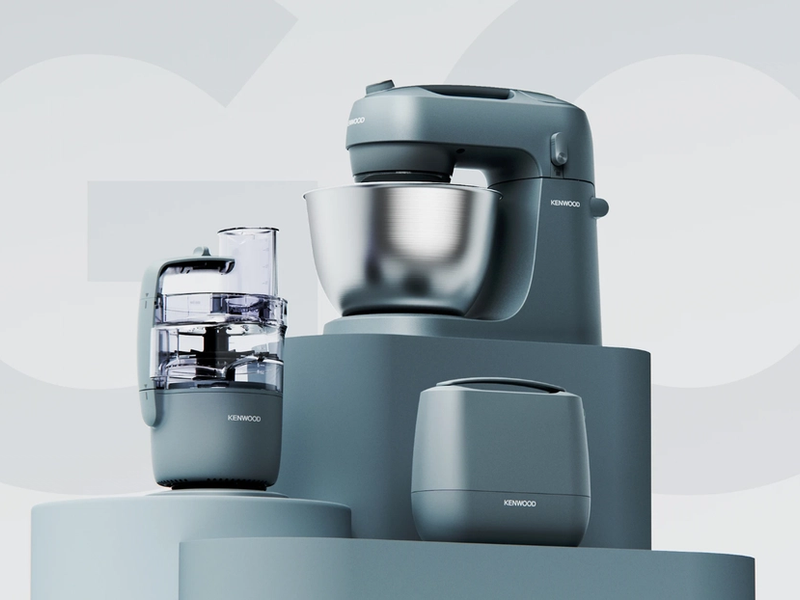
3D is especially useful for skincare, cosmetics, supplements, electronics, home appliances, accessories, packaging, luxury products, wellness products, and D2C brands with strong visual positioning.
If your product has a strong visual identity, 3D can help you control how that identity appears across every customer touchpoint.
If your current product photos look average, flat, inconsistent, or too basic for your price point, 3D rendering can help rebuild the perception of the product.
This matters because customers cannot touch the product online.
They judge the product through images, videos, packaging, lighting, and design quality.
Better visuals create stronger trust before the customer reaches the checkout page.
How many renders does a product need?
For a basic ecommerce product page, a brand may need three to six high-quality renders.
This can include a front view, angle view, back view, close-up, bundle image, and one premium lifestyle or campaign visual.
For a launch campaign, the brand may need more.
A strong launch can include ecommerce renders, website hero images, ad creatives, teaser visuals, feature breakdowns, product animation, and social media assets.
The right number depends on how aggressively the product will be marketed.
If the product is only being listed quietly, fewer renders may be enough.
If the product is being launched with paid ads, influencer seeding, landing pages, email campaigns, and social content, the brand needs a stronger visual system.
One hero image is not a launch system.
A launch system needs enough assets to create attention, explain the product, build trust, and support conversion.
Why cheap 3D renders can hurt the brand
The product may look plastic, flat, poorly lit, incorrectly shaped, or too artificial.
The label may not be sharp.
The reflections may look fake.
The shadows may not sit naturally.
The background may look generic.
These problems may seem small, but customers feel them immediately.
A bad render creates doubt.
A premium render creates confidence.
For brands selling at a premium price, visual quality is not optional.
If the creative looks cheap, the product feels cheap.
Cheap visuals create expensive problems. If your product looks average online, customers assume the product itself is average.
How to reduce 3D rendering cost without reducing quality
The smartest way to reduce cost is to prepare a clear brief.
Share product dimensions, label files, packaging artwork, product photos, material references, brand guidelines, and examples of the visual direction you want.
The more guessing the studio has to do, the more time the project takes.
Another way to control cost is to plan all required views together.
Instead of ordering one render today and another one later, plan the full set of ecommerce images, ad visuals, and launch assets upfront.
This lets the studio build the product system properly from the start.
You can also reduce waste by knowing the final use before production begins.
A render for Amazon, a Shopify product page, a Meta ad, and a campaign hero
Clear output requirements save revisions.
Better input creates better output, faster.
What should you ask a 3D rendering studio before hiring?
Ask whether they can create the product model if you do not have a 3D/CAD file.
Ask what inputs they need from your side.
Ask how many revisions are included.
Ask whether the final render can be used for ecommerce, ads, and marketplace listings.
Ask whether they can create future angles from the same model.
Ask whether they can create animation from the same product asset later.
Ask whether they understand brand positioning, not just 3D software.
This last point matters the most.
A technical 3D artist can make a product image.
A strategic product rendering studio can make the product feel more valuable.
The difference is not small.
One creates output. The other creates leverage
Final answer: what should a brand budget for 3D?
A brand should budget based on the role of the visual.
If the goal is only a basic product listing, the budget can stay lean.
If the goal is a premium launch, stronger product page, better Meta ads, improved brand perception, or high-end ecommerce content, the budget should reflect that.
The right question is not only “How much does 3D rendering cost?
The better question is: what will weak product visuals cost the brand in lost trust, lower conversion, and weaker ad performance?
For serious D2C brands, 3D rendering is not just a production expense.
Ingredient benefit ad
It is a perception asset.
That is where the real return comes from.
The product may be good already, but online, customers do not experience the product first. They experience the visual first.
If the visual does not create trust, the product may never get a chance to prove itself.
That is why premium product rendering matters.
It controls the first impression.
And in ecommerce, the first impression is often the sale.

About the Author
Skitbit Team
Global 3D Product Rendering & Performance Creative Studio
Skitbit creates premium 3D product renders, product animations, CGI visuals, launch content, and performance creatives for D2C and ecommerce brands.